
Buying a water softener sounds simple until you actually start researching one. Online reviews say different things, plumbers have their own opinions, and product descriptions are usually filled with technical terms most people are not familiar with. As a result, most people end up choosing a system based on price, advertisements, or random recommendations rather than their actual water conditions.
The truth is, the right water softener depends on various factors, including water hardness, water source, and household usage. Understanding these basics can make the decision much easier, helping avoid investing in a system that does not suit your home properly.
Why Choosing the Wrong Water Softener Can Become Expensive
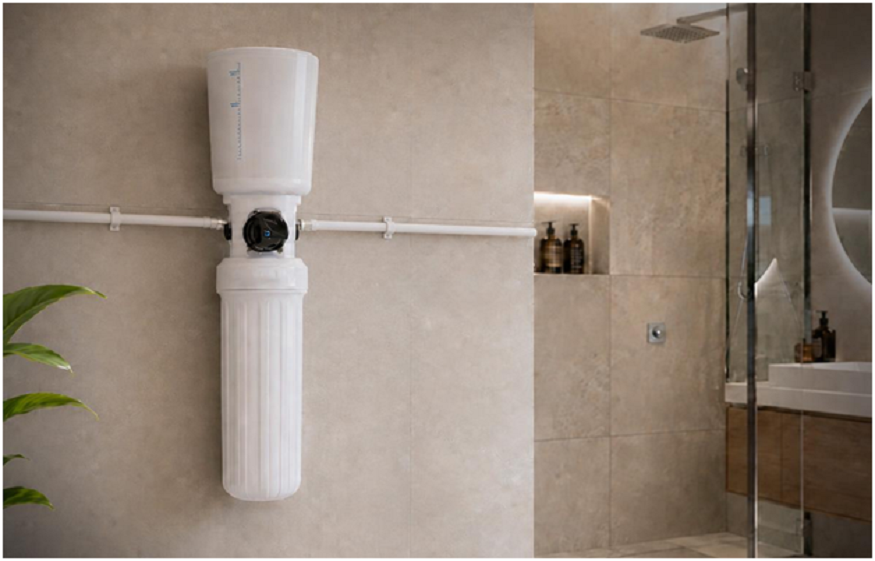
A water softener is designed to address hard water problems, but choosing the wrong system can create additional challenges. For instance, someone may purchase the best water softener for the bathroom without realising that their overall water usage actually requires a water softener for the home tank. In such cases, the smaller system may struggle to provide a consistent supply of softened water throughout the house.
Read More : A Complete Bedroom Styling Guide for Modern Living
An unsuitable system can also lead to more frequent servicing and maintenance requirements. In some cases, people only realise after installation that the softener is not compatible with their type of water supply or household usage needs.
This is why understanding your household’s actual requirements before buying is important. A well-matched system performs more efficiently and usually lasts longer with proper maintenance.
Top factors to consider before choosing the right water softener include:
1. Check your water hardness level:
Before buying a water softener system, you should first determine the hardness level of your water. If you have white scaling around your faucets or dry skin from bathing or washing, then you likely have hard water. Conducting a water test will give you an accurate picture of the level of hardness in water.
2. Your Daily Water Usage:
The selection of a water softener should also depend on your daily water consumption. A family of two living in an apartment will have very different water requirements compared to a joint family of seven people with multiple bathrooms and higher daily usage. If the system capacity is too small, it may struggle to provide a consistent supply of softened water during peak usage hours.
3. Identify Your Water Source:
The source of water matters because different water supplies contain varying mineral levels. Borewell water is usually harder and may contain higher concentrations of minerals such as calcium and magnesium compared to municipal water supply. Some households also receive mixed water sources, which can cause hardness levels to fluctuate throughout the year.
Understanding whether your home depends on borewell water, municipal supply, or tanker water can help in selecting a more suitable water softening solution.
4. Automatic or manual water softeners:
People often get confused about which is better suited to their home. Automatic water softener systems are usually suited to busy households, as automatic systems regenerate resin beads on their own without manual intervention. On the other hand, manual systems provide hands-on control to the customer. It depends on your choice and usage pattern.
5. Check the Space Available for Installation:
Water softeners are available in different sizes and capacities, and each system requires adequate installation space. Bathroom water softeners generally require less space, while water softeners designed for home tanks may need a larger installation area along with additional plumbing adjustments.
6. Look at the Maintenance Requirements:
People usually focus on the installation cost and overlook the maintenance requirements that come with the product. Some water softeners require regular salt refilling, cleaning cycles, or periodic servicing to maintain performance. It is important to understand maintenance frequency and servicing cost to make an informed decision.
Read More : How to Choose the Best Outdoor Wall Paint and Exterior Wall Texture Design for Your House
Conclusion
Choosing a water softener becomes much easier when the decision is based on factors like water hardness, source of supply, family size, maintenance expectations, and daily water usage, as they all play an important role in selecting the right system. Taking time to understand these basics can help people avoid unnecessary expenses and choose a solution that works effectively over the long term.