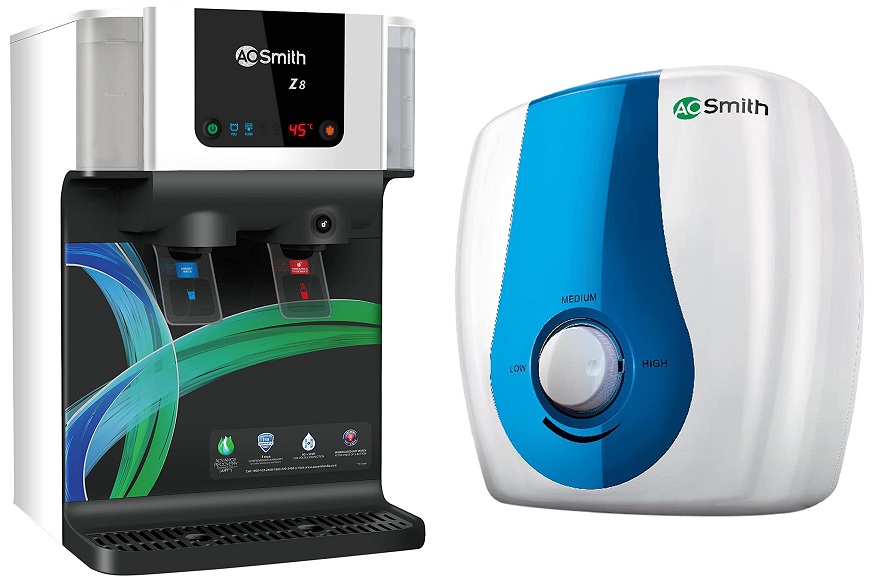
For most Indian families, the water heater is used daily, sometimes multiple times a day, especially during winters. Traditional geysers, however, heat water at a fixed power level and often run longer than necessary, leading to wasted electricity. This is where smart water heaters with adaptive heating technology are a significant upgrade. They learn your usage patterns, optimise heating cycles, and help reduce monthly electricity bills without compromising on comfort.
1. What Is Adaptive Heating Technology?
Adaptive heating is an intelligent feature found in modern smart water heaters. Instead of maintaining a constant temperature or heating at full power every time, the system:
Read More:RO Water Plant: 5 Reasons to Install a Commercial Water Purifier in Your Office
- Studies your household’s bathing and water-use schedule
- Adjusts the heating intensity based on demand
- Avoids unnecessary reheating cycles
- Maintains the required temperature using minimal energy
It works like a geyser that understands when you need hot water and prepares just the right amount at the right time.
2. Reduces Energy Waste Through Predictive Heating
One of the biggest reasons electricity bills rise is that traditional heaters continuously heat and reheat water even when no one is using it. Smart geysers fix this by:
- Predicting peak usage times such as morning showers, evening chores, etc.
- Heating water only when required, eliminating standby heat loss.
- Automatically switching to energy-saving modes during off-hours.
In many households, this alone cuts consumption by up to 15–25%, depending on usage patterns.
3. Precise Temperature Control Saves Power
Overheating water quietly wastes electricity. Heating it from 50°C to 70°C uses much more power, even though most households never need water that hot.
With adaptive heating, the appliance:
- Maintains consistent, practical temperatures
- Avoids overheating or unnecessary high-power heating cycles
- Adjusts temperature based on the season and usage behaviour
The result? Less electricity drawn for every heating cycle, with the same comfort level.
4. Faster Heating = Less Power Consumed
Modern smart geysers often include advanced heating elements and efficient insulation materials. These improvements reduce the time it takes to heat water, sometimes by 20–30%. And when heating time reduces, electricity usage automatically drops.
Adaptive systems also ensure:
- No repeated reheating
- No long waiting cycles
- No prolonged high-power consumption
This is especially useful in larger families with back-to-back hot water needs.
5. Remote Control Helps You Avoid Unplanned Heating
Many smart water heaters can be controlled through mobile apps or voice assistants. This adds another layer of savings:
- Turn the heater on/off remotely
- Set heating schedules through the app
- Monitor electricity consumption in real time
- Receive reminders when the heater is running unnecessarily
It allows families to prevent the classic mistake of leaving the geyser running for longer than intended.
6. Optimised for Indian Electrical Conditions
Frequent voltage fluctuations and inconsistent power supply are common in many parts of India. Smart heaters with adaptive controls:
- Manage heating efficiency even under fluctuating voltage
- Prevent damage to the heating element
- Avoid energy loss caused by unstable power cycles
This extends the life of the appliance while keeping electricity usage in check.
Conclusion
Smart water heaters with adaptive heating are more than just a modern home upgrade. They offer a practical way for Indian households to cut electricity bills, improve efficiency, and enjoy reliable hot water every day. By learning everyday usage habits and adjusting performance accordingly, they make sure electricity is not wasted. For families who want to save energy without giving up comfort, these geysers are a sensible choice.
Read More:Why You Should Always Choose a Licensed Electrician Georgetown for Home and Business Projects