Choosing tile for a luxury renovation isn’t just about picking a surface you like. The underlying material dictates how well your space stands up to heavy foot traffic, moisture, and daily wear. While ceramic and porcelain share natural clay roots, their density and performance characteristics differ significantly. Knowing when to specify ceramic tiles versus porcelain ensures your high-end project maintains its structural integrity and aesthetic appeal over time.
The Art of Ceramic Tile: Walls, Backsplashes, and Accents
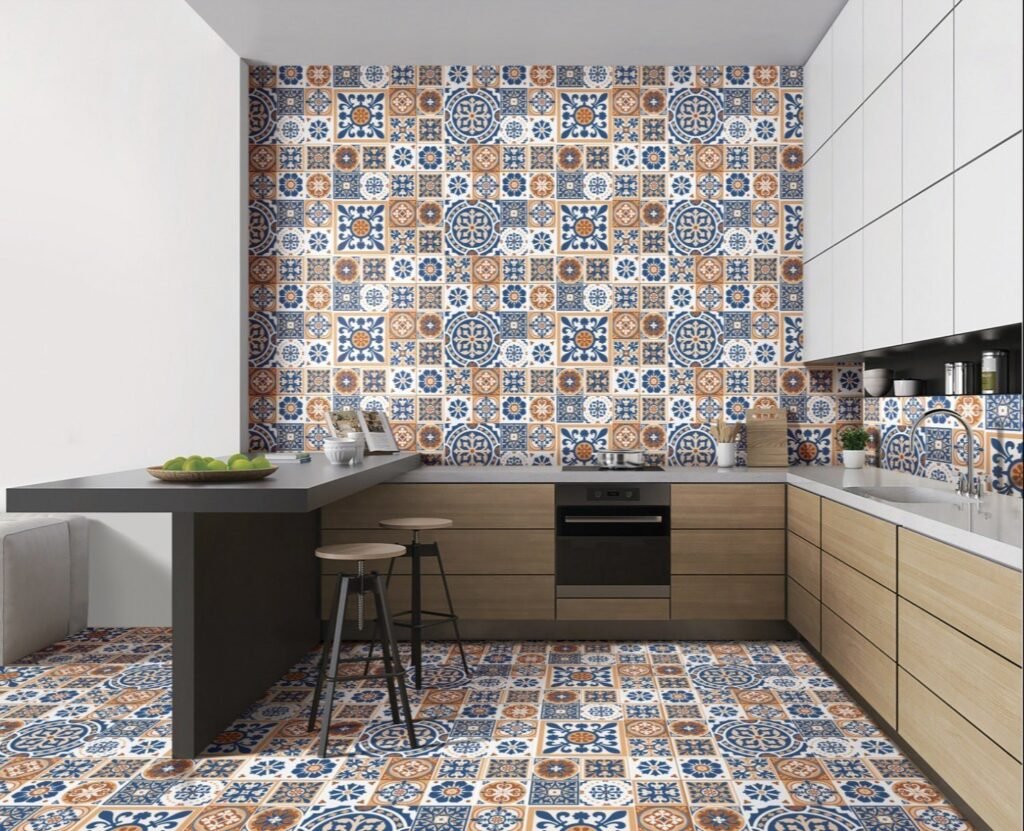
Glazed ceramic tiles excel where visual nuance, rich colour, and artistic detail matter most. Because ceramic clay is fired at moderate temperatures, it produces a lighter body that is exceptionally workable and easy to craft into refined decorative elements.
- Intricate Wall Displays: Ceramic’s lighter weight makes it significantly easier to install on vertical surfaces, reducing structural pull on drywall and substrate.
- Rich Colour and Glaze Depth: Lower firing temperatures allow for vibrant pigments, artisanal hand-carved textures, and high-gloss glazes that add depth to feature walls.
- Detailed Workability: Installers can cut sharp, clean edges into ceramic without specialized diamond tooling, making it ideal for complex backsplash layouts, niche details, and decorative trim.
For kitchen backsplashes, powder room walls, or fireplace surrounds, ceramic tile brings unmatched artistic flexibility to luxury design schemes without compromising safety or structural hold.
When Porcelain Is Essential: High Moisture and Heavy Traffic
When a space faces standing water, extreme weather conditions, or heavy daily usage, porcelain becomes an absolute necessity. Made from finer porcelain clays and fired at extreme heat, it forms a dense, impervious tile with an ultra-low water absorption rate under 0.5%.
1. Luxury Kitchens and Main Living Area Floors
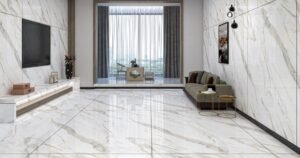
Kitchen floors endure dropped heavy cookware, continuous foot traffic, and frequent liquid spills. High-performance porcelain resists impact chipping, staining, and moisture penetration, preserving floor surfaces across open-concept living zones for decades.
2. High-Moisture Environments
Continuous exposure to water in curbless showers, steam rooms, or outdoor terraces requires porcelain’s superior moisture resistance. It prevents water from soaking into the tile body, protecting against structural water damage, mould growth, or frost cracking in seasonal environments.
3. High-Traffic Spaces
Porcelain maintains its factory finish under constant usage, making it ideal for grand entryways, mudrooms, and busy commercial interiors.
Maintenance and Design Guidance for Homeowners, Designers, and Contractors
Balancing aesthetics with mechanical performance requires selecting the right tile for each specific application across a property.
Read More: Designing Seamless Transitions: How to Coordinate Tile Flooring with Hardwood, Millwork, and Stone
For kitchen floors and high-traffic hallways, specify porcelain slabs or large-format porcelain tiles to maximize impact strength, stain resistance, and minimize grout lines. For feature walls and kitchen backsplashes, glazed ceramic tiles or artisan mosaics offer vibrant colour, reflective depth, and a lighter weight burden. In wet zones like shower floors and steam rooms, matte porcelain mosaics provide necessary slip resistance along with total water defense.
Both materials require minimal maintenance. Routine wiping with pH-neutral cleaners preserves their original luster. However, matching the physical properties of ceramic tiles to vertical wall zones and porcelain to high-wear floors ensures long-lasting quality. Exploring curated imported collections alongside technical data sheets helps align material specifications with performance requirements for any luxury residential or commercial build.
Read More: How Do You Design an Outdoor Kitchen for Al Fresco Living in Dubai?