Access to clean groundwater has supported homes, farms, and communities for generations. For properties located outside municipal water systems, private wells offer an independent and reliable source of water. Behind every successful well system are skilled well drilling contractors and properly installed pumping equipment, such as a submersible well pump.
These components work together to provide consistent water flow from underground aquifers to household plumbing systems. Understanding how well drilling and pump installation work can help property owners make informed decisions when building or maintaining a private water supply.
The Role of Well Drilling Contractors
Constructing a water well requires specialized knowledge, equipment, and experience. Well drilling contractors are trained professionals who identify suitable locations, drill through layers of soil and rock, and install the casing and components needed to protect and access groundwater.
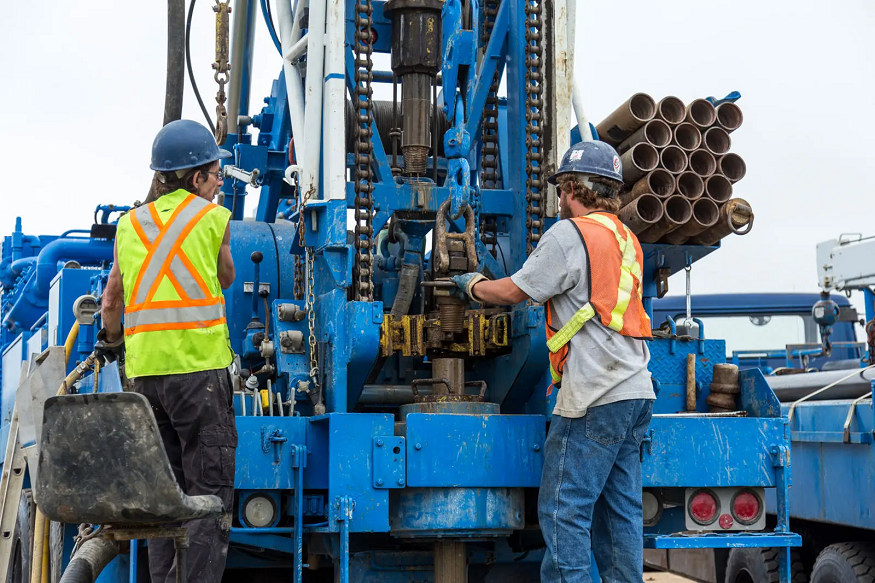
The process begins with site evaluation. Contractors analyze factors such as geological conditions, groundwater availability, and local regulations before drilling begins. Once a suitable location is identified, specialized drilling rigs are used to reach underground aquifers.
After drilling is complete, contractors install well casing to stabilize the borehole and prevent contamination. The casing acts as a protective barrier between the groundwater and the surrounding soil or debris.
Professional well drilling contractors also ensure that wells meet safety standards and local water regulations. Their expertise plays a vital role in creating a reliable and long-lasting water source.
Understanding Submersible Well Pumps
Once a well is drilled, water must be transported from the underground aquifer to the surface. This is where a submersible well pump becomes essential.
A submersible pump is installed deep inside the well, usually below the water level. Because it operates underwater, the pump pushes water upward through pipes and into the home’s plumbing system. Unlike older pump designs that pull water upward, a submersible system pushes water efficiently toward the surface.
This design provides several advantages, including improved efficiency, quieter operation, and reduced risk of pump damage caused by overheating. The submersible well pump is one of the most commonly used pumping solutions for modern residential wells.
Why Submersible Pumps Are Popular
The popularity of submersible pumps comes from their durability and consistent performance. Since the pump operates underwater, it remains naturally cooled during operation, which helps extend the lifespan of the motor.
Another advantage is their ability to work efficiently in deeper wells. Properties with deeper groundwater sources often rely on a submersible well pump because it can handle the pressure required to lift water over long vertical distances.
Submersible pumps are also protected from external weather conditions and debris because they are sealed within the well. This reduces exposure to environmental damage compared to above-ground pump systems.
When installed correctly by experienced well drilling contractors, these pumps can provide years of reliable service.
Read More: Induction vs Electric Cooktop: Which One Is Better for Your Kitchen?
The Well Drilling Process Explained
Installing a private well involves several key stages that require careful planning and technical precision.
- Site Assessment
Before drilling begins, contractors evaluate the site to determine groundwater availability and the most suitable drilling location. Soil composition, rock formations, and water table depth all influence where the well should be placed.
- Drilling the Borehole
Specialized drilling rigs are used to create a vertical borehole deep enough to reach the aquifer. This stage requires precision to ensure the well reaches a consistent water source.
- Installing the Casing
Once the borehole is completed, protective casing is installed. This casing prevents the well from collapsing and protects the water supply from contamination.
- Pump Installation
After the well structure is secure, the submersible well pump is lowered into the well. The pump connects to electrical wiring and water lines that carry water into the home.
- System Testing
Finally, the well system is tested to confirm proper water flow, pressure levels, and overall performance.
Professional well drilling contractors oversee each stage to ensure the system operates safely and efficiently.
How Submersible Pumps Deliver Water to Your Home
Once installed, a submersible well pump operates automatically as part of the well system. When water pressure in the home drops, the pump activates and begins pushing water upward through the well piping.
The pump works alongside a pressure tank, which stores water and maintains consistent pressure throughout the plumbing system. This coordination ensures water is available instantly when faucets, showers, or appliances are used.
The efficiency of the pump and pressure system allows homes to maintain steady water pressure even during heavy water usage.
Maintenance for Long-Term Performance
Like any mechanical system, well equipment requires occasional maintenance to ensure optimal performance. Routine inspections can help detect early signs of wear before major issues occur.
Read More: Integrated Cooker Hood: The Perfect Blend of Style, Function, and Modern Kitchen Design
Property owners should monitor water pressure changes, unusual noises, or interruptions in water flow. These symptoms may indicate problems with the submersible well pump or other system components.
Regular servicing by qualified well drilling contractors can help maintain pump efficiency, check electrical connections, and verify that the well remains structurally secure.
Preventive maintenance not only extends the life of the pump but also protects the quality of the water supply.
Choosing the Right Professionals for Well Installation
Installing a private well is a significant investment, and selecting experienced professionals is essential for long-term reliability. Skilled well drilling contractors understand local geological conditions and can recommend the most appropriate drilling and pumping solutions.
Working with knowledgeable contractors ensures the well system is designed to match the property’s water needs while complying with local environmental guidelines.
Proper installation of a submersible well pump also plays a crucial role in preventing future operational issues. Professional installation ensures the pump operates efficiently and safely within the well structure.
The Future of Private Well Systems
Advancements in drilling technology and pump engineering continue to improve the efficiency of private water systems. Modern pumps are designed to operate more quietly, use less energy, and deliver more consistent water pressure.
As groundwater management and sustainability become increasingly important, professional well drilling contractors are also adopting improved drilling techniques that minimize environmental impact.
At the same time, innovations in submersible well pump technology are helping homeowners maintain dependable water supplies with greater efficiency and durability.
Private wells remain an essential water solution for many homes and rural properties. The success of these systems depends heavily on the expertise of well drilling contractors and the performance of critical components such as the submersible well pump.
From drilling and installation to long-term maintenance, every step of the process contributes to the reliability of the water supply. By understanding how these systems work together, property owners can make informed decisions that ensure consistent access to clean groundwater for years to come.