Choosing the right cooktop is one of the most important decisions when designing or upgrading a kitchen. Among the most popular modern options are induction cooktops and electric cooktops. Both provide sleek designs, efficient cooking, and convenient controls compared to traditional gas stoves. However, they operate using very different technologies, and each comes with its own advantages and limitations. Induction vs Electric Cooktop
In this article, we will explore the key differences between induction and electric cooktops, including how they work, their efficiency, safety, cost, and which option may be the best fit for your cooking style and kitchen needs.
Understanding Electric Cooktops
Electric cooktops have been a staple in many homes for decades. They work by using electrical resistance to heat a coil or a smooth glass-ceramic surface. Once the cooktop heats up, it transfers heat to the cookware placed on top.
Read More: How to Choose the Best Outdoor Wall Paint and Exterior Wall Texture Design for Your House
There are two main types of electric cooktops: coil electric cooktops and smooth-top radiant electric cooktops. Coil cooktops feature visible metal coils that heat up when electricity passes through them. Smooth-top cooktops, on the other hand, have a sleek glass surface with heating elements underneath.
Electric cooktops are known for their simplicity and affordability. They are relatively easy to install and do not require special cookware. Any flat-bottomed pot or pan typically works well on an electric cooktop.
Read More:Integrated Cooker Hood: The Perfect Blend of Style, Function, and Modern Kitchen Design
However, electric cooktops heat up slowly compared to other cooking technologies. They also take longer to cool down, which can sometimes make precise temperature control more challenging.
Understanding Induction Cooktops
Induction cooktops are a newer and more advanced cooking technology. Instead of using traditional heat transfer, they rely on electromagnetic energy to heat cookware directly.
When an induction cooktop is turned on, it creates a magnetic field that interacts with ferromagnetic cookware such as cast iron or stainless steel. This magnetic interaction generates heat directly inside the cookware rather than on the cooktop surface.
Because the heat is produced inside the pan, induction cooktops are extremely efficient and responsive. They heat up quickly and allow precise temperature control, making them a favorite among professional chefs and serious home cooks.
Another key advantage is safety. Since the cooktop itself does not become as hot as traditional surfaces, the risk of burns is significantly reduced.
Heating Speed and Cooking Performance
One of the biggest differences between induction and electric cooktops is heating speed.
Induction cooktops heat cookware almost instantly. Water can boil in a fraction of the time it takes on an electric cooktop. This makes induction ideal for tasks that require rapid heating, such as boiling pasta water or searing meat.
Electric cooktops, by contrast, take longer to heat up because the element itself must first become hot before transferring heat to the cookware. This extra step results in slower cooking performance.
Temperature control is also more precise with induction. The heat adjusts immediately when the power level is changed, while electric cooktops tend to respond more slowly.
Energy Efficiency
Energy efficiency is another important factor to consider.
Induction cooktops are generally considered more energy efficient because they transfer heat directly into the cookware. Very little heat is lost during the cooking process. In fact, induction cooking can be up to 85–90% efficient.
Electric cooktops typically operate at around 70–75% efficiency because some heat is lost to the surrounding air and the cooktop surface.
Over time, this difference in efficiency can translate into lower energy consumption and reduced electricity bills, especially for households that cook frequently.
Safety Features
Safety is a major advantage of induction cooking.
Because induction cooktops heat the cookware directly, the surface itself remains relatively cool. This significantly reduces the risk of accidental burns. Many induction models also include automatic shut-off features that activate when cookware is removed.
Electric cooktops, especially coil models, remain hot long after the cooking process is finished. This can increase the risk of burns if the surface is touched too soon.
Additionally, induction cooktops usually include advanced safety features such as child locks, pan detection, and overheating protection.
Cookware Compatibility
Cookware compatibility is one of the few areas where electric cooktops have a clear advantage.
Electric cooktops work with nearly all types of cookware, including aluminum, copper, stainless steel, glass, and ceramic. As long as the bottom is flat, it should work without any issues.
Induction cooktops, however, require magnetic cookware. Pots and pans must contain iron to work with the induction magnetic field. Cast iron and many stainless steel pans are compatible, but aluminum or copper cookware may not work unless it has a magnetic base.
Fortunately, many modern cookware sets are now designed specifically for induction cooking.
Cleaning and Maintenance
Both induction and smooth-top electric cooktops offer easy cleaning compared to traditional gas stoves.
Induction cooktops have an advantage because spills are less likely to burn onto the surface. Since the surface stays relatively cool, food splatters usually do not stick or harden.
Electric smooth-top cooktops can still accumulate burnt-on residue because the surface becomes hot during cooking. This may require more frequent cleaning with specialized cooktop cleaners.
Regardless of the type, a simple wipe with a damp cloth after cooking can keep the cooktop looking clean and modern.
Cost and Installation
Cost is often a deciding factor when choosing between induction and electric cooktops.
Electric cooktops are typically more affordable upfront. They are widely available and can fit into most kitchen setups without special electrical requirements.
Induction cooktops tend to be more expensive due to their advanced technology. However, many homeowners consider the higher price worthwhile because of the improved efficiency, performance, and safety.
Installation costs can also vary depending on the electrical capacity of the kitchen. Some induction cooktops may require a dedicated circuit to operate properly.
Many modern kitchen appliance brands, including innovative manufacturers like Ciarra, are introducing induction models that combine stylish design with energy-efficient performance.
Design and Aesthetic Appeal
Both induction and electric cooktops offer sleek and modern designs that complement contemporary kitchens.
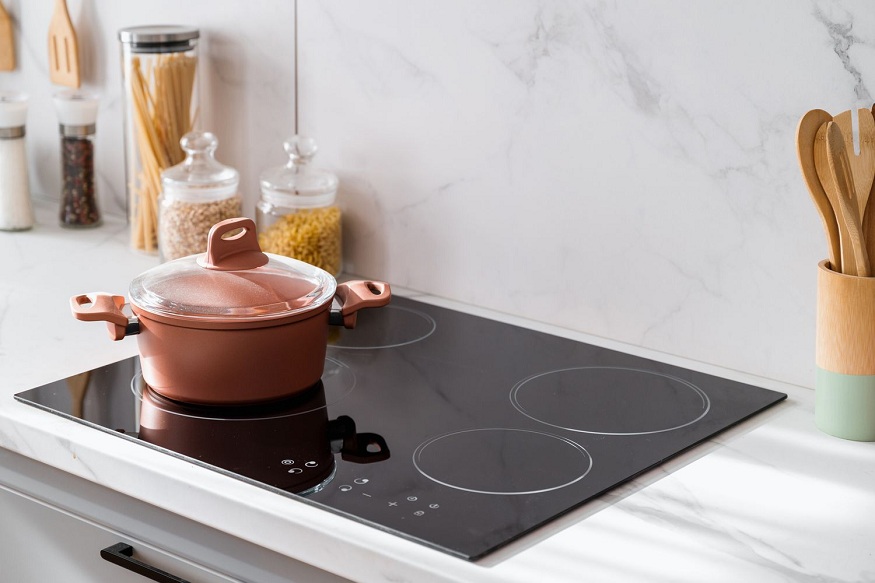
Smooth-top electric cooktops feature a glossy glass surface that creates a clean and minimalist look. They blend seamlessly with kitchen countertops and are available in various sizes.
Read More: Concrete Fence for Boise Residential Properties: An Overview
Induction cooktops often look similar to electric glass cooktops but typically include more advanced digital controls and smart features. Some models even offer touch sliders, smart sensors, and connectivity options.
Read More:How to Choose the Best Outdoor Wall Paint and Exterior Wall Texture Design for Your House
For homeowners aiming for a modern, high-tech kitchen aesthetic, induction cooktops often provide a slightly more premium feel.
Which Cooktop Should You Choose?
The choice between an induction and electric cooktop ultimately depends on your cooking habits, budget, and kitchen setup.
If you prioritize speed, precision, energy efficiency, and safety, an induction cooktop is likely the better option. It offers superior cooking performance and advanced features that make everyday cooking easier and more enjoyable.
On the other hand, if you want a more affordable option that works with all types of cookware, an electric cooktop may be the more practical choice.
Many homeowners transitioning from gas stoves find induction cooktops to be the closest alternative in terms of responsiveness and control.
Final Thoughts
Both induction and electric cooktops offer significant advantages compared to traditional cooking methods. Electric cooktops provide simplicity, affordability, and universal cookware compatibility. Induction cooktops deliver faster heating, greater energy efficiency, and improved safety.
Understanding these differences can help you make a confident decision when selecting the best cooktop for your kitchen.
As kitchen technology continues to evolve, induction cooking is becoming increasingly popular worldwide. However, electric cooktops remain a reliable and cost-effective option for many households.
Ultimately, the best choice is the one that fits your cooking style, budget, and kitchen design preferences.