
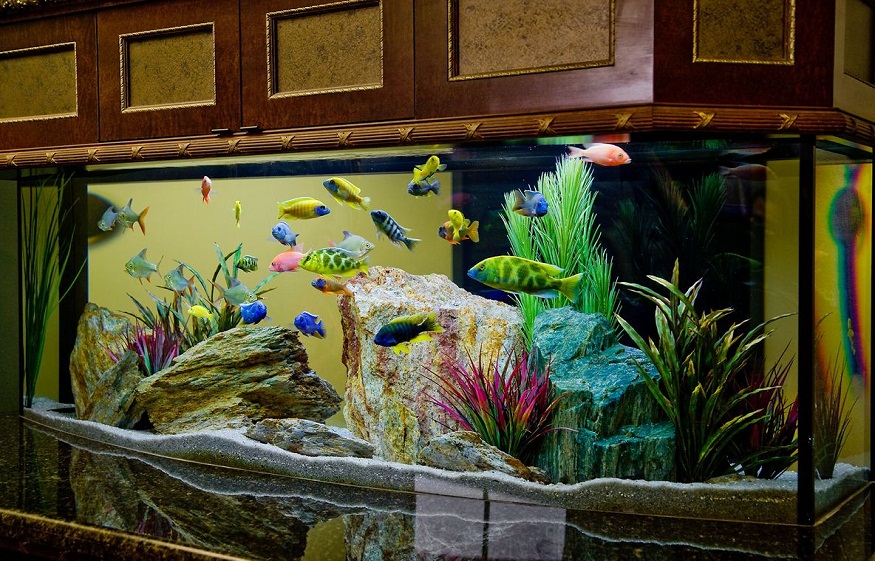
Biophilic design has moved well beyond potted plants and reclaimed wood. As high-end residential projects become increasingly focused on immersive, sensory-rich environments, a growing number of interior designers are turning to custom aquariums as a centerpiece feature — one that functions simultaneously as architecture, art, and living ecosystem.
It’s a shift that reflects something deeper than aesthetics. Clients are no longer just buying square footage. They’re investing in how a space makes them feel.
Biophilic Design Is Evolving Beyond the Expected
The term “biophilic design” has been part of the design lexicon for over a decade, but its application has matured considerably. Early iterations leaned heavily on indoor gardens, green walls, and natural material palettes. These remain relevant, but designers working on luxury residential projects are now looking for elements that go further — features that are dynamic, alive, and genuinely impossible to replicate with a product off a shelf.
Read More :A Complete Bedroom Styling Guide for Modern Living
Aquariums satisfy that demand in a way that few other design elements can. The movement of water, the behavior of fish, and the slow evolution of a reef ecosystem create an experience that changes daily. No two viewing moments are identical, which is precisely the kind of depth that discerning clients are paying for.
The Shift from Hobbyist Tank to Design Feature
For decades, aquariums were largely associated with hobbyists — a 55-gallon tank in a den, maintained as a personal passion project. What’s changed is the scale, the integration, and the intentionality. Designers are now specifying aquariums the way they specify a kitchen island or a statement staircase: as a structural and experiential anchor for the room.
This requires a fundamentally different approach to planning. The aquarium needs to work with the architecture — wall thicknesses, load-bearing considerations, plumbing and filtration access, lighting integration, and sightlines all factor into the design process long before a single fish is selected. Firms that specialize in custom aquarium design and installation bring that technical fluency alongside the aesthetic sensibility, which is why designers increasingly seek them out as collaborators rather than vendors.
The most successful installations tend to be planned in the early stages of a project, not added as an afterthought. This is a mindset shift that mirrors how designers now approach other complex features like home automation or wine cellars — the earlier the conversation, the better the outcome.
What Clients Actually Want from a Living Feature
Beyond the visual drama, clients investing in large-scale aquariums are often motivated by something less tangible: the proven psychological effect of water. Research consistently links exposure to aquatic environments with reduced cortisol levels, lower blood pressure, and improved mood — outcomes that align well with what luxury residential clients are trying to achieve through design.
This positions a well-executed aquarium not as a novelty, but as a wellness investment. Designers who can articulate that value proposition — particularly to clients already spending on saunas, meditation rooms, or home gyms — tend to find the conversation much easier than expected.
The key word, though, is well-executed. A poorly maintained or improperly designed aquarium undermines the entire effect. The species selection, filtration system, and ongoing care schedule need to be right from day one, which is one of the strongest arguments for involving specialists with a track record in residential environments.
What to Look for in a Professional Partner
Not all aquarium companies are equipped to work at the level that high-end residential projects demand. Designers evaluating potential partners should look for firms that have direct experience collaborating with architects and contractors, can demonstrate completed residential projects at scale, and offer ongoing maintenance as part of their service model — not as an optional add-on.
The maintenance piece is often underestimated. A custom aquarium is not a set-and-forget installation. Water chemistry, filtration efficiency, and the health of the ecosystem all require regular professional attention. Designers who present clients with a complete picture — initial build plus long-term care — tend to set projects up for long-term success rather than future frustration.
Read More : Induction vs Electric Cooktop: Which One Is Better for Your Kitchen?
The integration of living aquariums into luxury residential design is no longer a novelty pitch. For designers who understand the technical requirements and know the right partners to work with, it’s becoming a reliable tool for creating spaces that genuinely exceed client expectations — and stay memorable long after the project is delivered.